MENUMENU
MENUMENU
MENUMENU





When trying to locate underground utilities, you have options. The three main ways of locating underground utilities include Ground Penetrating Radar, Electromagnetic Locating, and vacuum excavation. However, when it comes to accuracy, some are better than others.
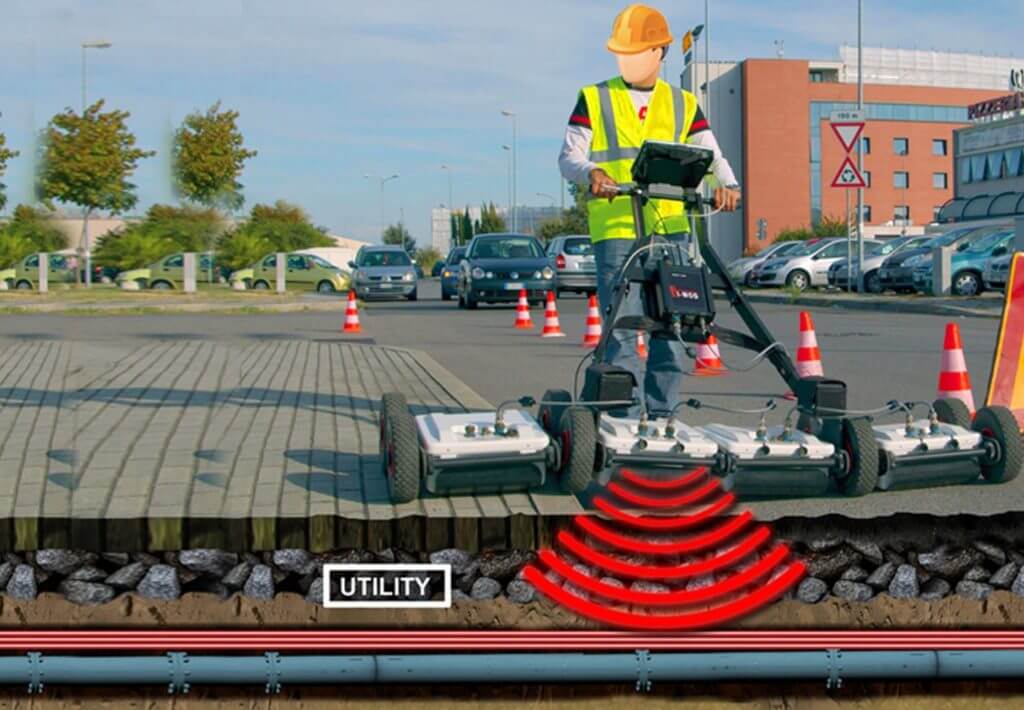
What is it? This technology uses radar pulses to detect, identify, and map utilities. A transceiver sends an electromagnetic signal into the ground. If the signal encounters an underground object or utility, it is then reflected to the surface, where a receiving antenna can record the bounced signal. Using these readings, operators can map out hazards and utilities before digging, and can control the frequency to allow for either a higher-resolution image (higher frequency) or increased depth penetration (lower frequency).
Downfalls: Effectiveness is site-specific. Drier, sandy soil or materials like concrete, granite, and limestone can be read to depths of about 50 feet. Still, wet soil, clay, and dirt heavy with a highly conductive material like iron can limit penetration to mere inches. When the job site permits it, GPR is a valuable tool that enables accurate readings. In less optimal conditions, GPR can be considerably hindered or rendered completely useless.
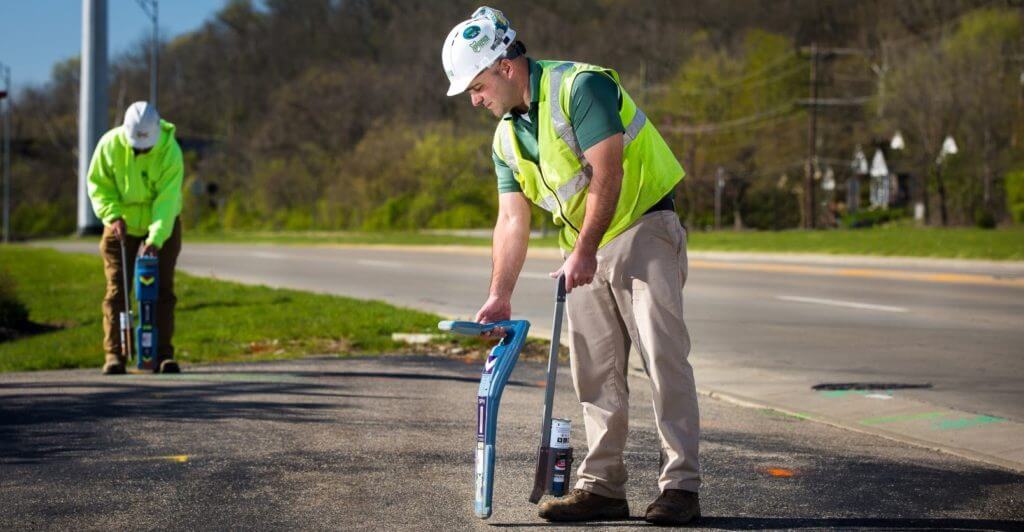
What is it? Technology is used to trace utility lines, including natural gas, fiber optic, street and traffic lights, water mains, and more. With this method, operators connect a transmitter directly to the utility, which pushes a frequency through the utility. Later on, the surface, the operator uses a receiver that searches for the specific signal sent by the transmitter. Wherever the operator finds the signal, that is where the specific utility is. Electromagnetic locating is particularly adept at accurately locating specific utilities, ensuring accurate marking of utilities.
Downfalls: If the utility cannot be located on the surface to connect to, operators may have to use a passive form of electromagnetic radar, which is less accurate.
Additionally, electromagnetic locating cannot detect non-metallic utilities or objects underground, which can pose a significant hazard.
What is it? This method involves using high-pressure water or air to unearth subsurface utilities for visible inspection, looking for cracks, wear and tear, or damaged components. If the exact location of the utilities is unknown, operators utilize an air excavator or hydro excavator to perform a service called “line-locating”. This process involves first potholing to the appropriate depth, then making 12-24 inch perpendicular incisions into the soil using an air lance or digging wand, until the utility is found.
Downfalls: Knowledge of general utility placements is necessary
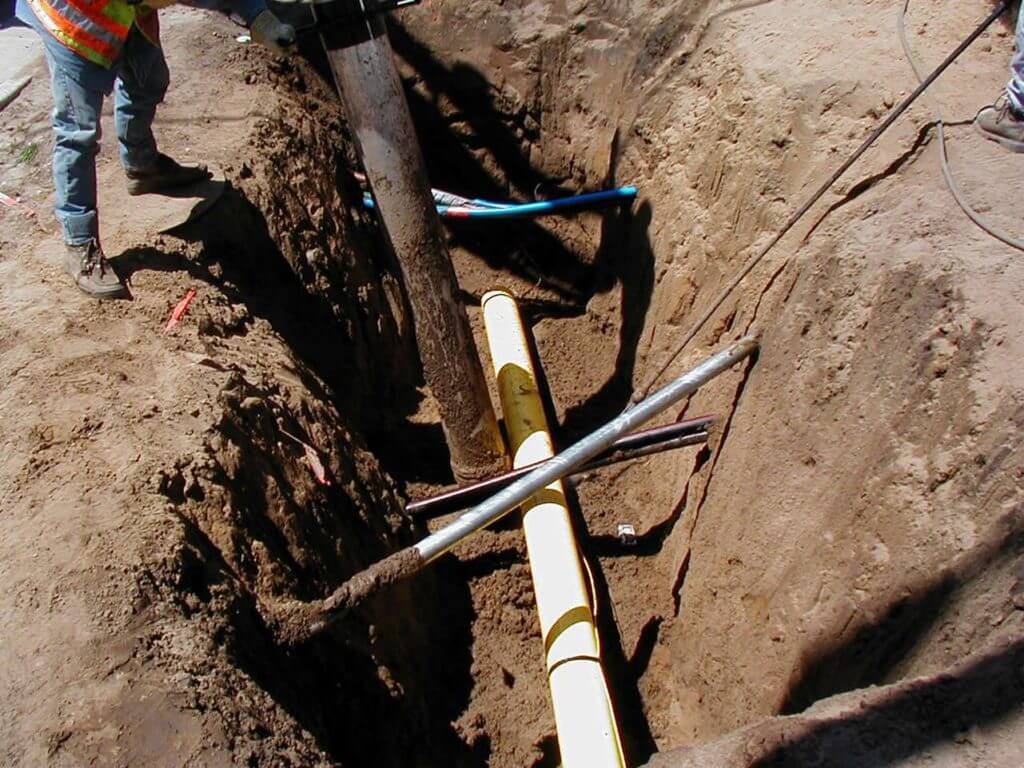
Both GPR and Electromagnetic locating provide the technology to locate underground utilities. However, both methods can lack accuracy, depending on the environment and ground contents. Vacuum excavation is a highly accurate tool, as the utility is actually being unearthed and seen with the human eye. Additionally, a vacuum excavator can also be used not only to daylight, but in the installation of new utilities utilizing one truck.
Vacuum excavators offer a range of debris tank sizes, from mid-size trucks with 3-6 cubic yards to full-size trucks with 9-15 cubic yards. Air can also be substituted for water in many digging applications, and therefore, an air excavator may be a better fit for the environment you are working in. Whether you are looking for a short-term rental, rent-to-own financing options, used equipment, or to purchase a new machine, Rock Rental has available equipment and financing resources to get you into the equipment you need. If you require more information on rental equipment, pre-owned equipment or financing, call 833-482-7625.
