MENUMENU
MENUMENU
MENUMENU




Safe trailering practices save lives, and with millions of trailers—used by businesses, local governments, and individuals—traversing the nation’s roadways every day, it is crucial to ensure that trailers are being towed safely for the sake of everyone on the roads. End-users are vastly undereducated on the proper use of trailers; they recognize that they would not purchase a car without seat belts but do not understand that purchasing a trailer without key safety features can be just as dangerous. During Trailer Safety Week, our goal is to close the communication gap between trailer manufacturers and end-users to make towing safer.
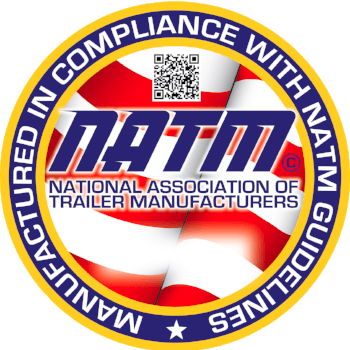
When you are looking to purchase a new trailer, look for the mark of excellence: the NATM compliance decal. Trailers with this decal were made by manufacturers that have completed the Compliance Verification Program. This means they comply with regulations that cover lighting, brakes, axles, trailer capacity, and more. They have all the features a trailer needs for safe towing.
Here are just some of the trailer components required for safety:
To get your trailer ready for use, check out this NATM article for recommendations on how to prepare each component of your trailer.
In addition to having a trailer that complies with safety regulations, you can also travel smart and keep these tips in mind while driving with a trailer:
Since driving with a trailer is more difficult, it’s a good idea to plan your route ahead of time. This will allow you to anticipate turns and exits and execute them safely. When driving in a city, it is especially important to know which roads are one-way. You can also prepare your trip with a pre-departure checklist to make sure your trailer is functioning correctly.

Towing a trailer requires a greater stopping distance, so slowing down your overall speed and leaving about a 5 second gap between you and the vehicle in front of you will help avoid slamming on the brakes. You can help other drivers on the road accommodate you by signaling early whenever you need to change lanes or make a turn. Accelerating will take longer than you think, so if you plan on passing someone, make sure there is plenty of clear roadway.
If you need to back up, keep in mind that your trailer will move in the opposite direction your vehicle moves.
Trailers tend to sway on the road. If this happens, do not try to control the sway using the steering wheel. Take your foot off the gas, steer straight, and wait for it to straighten out. If you have a brake controller, you can gently apply only the trailer brakes.
Every trailer sold by Sewer Equipment comes with a trailer safety manual that contains information on how to size the towing vehicle, pre-trip inspection, driving safety, trailer maintenance, and a wide range of other topics. We want to ensure your trailer adheres to all federal DOT regulations and safety standards. Our frames our purpose designed and built for the unique jobs they perform and the markets they serve. Our frames are made of fully welded, thick steel tubing for maximum strength and durability. When purchasing your next trailer, look for the NATM decal!
For more information about the trailers we offer:
Contact a representative near you to talk about our units and trailer safety!
