MENUMENU
MENUMENU
MENUMENU





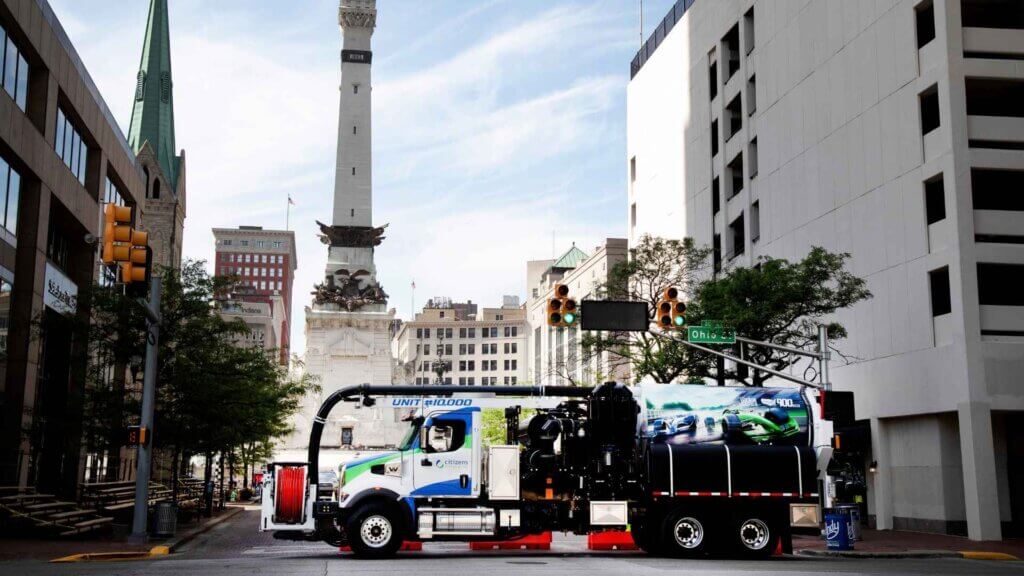
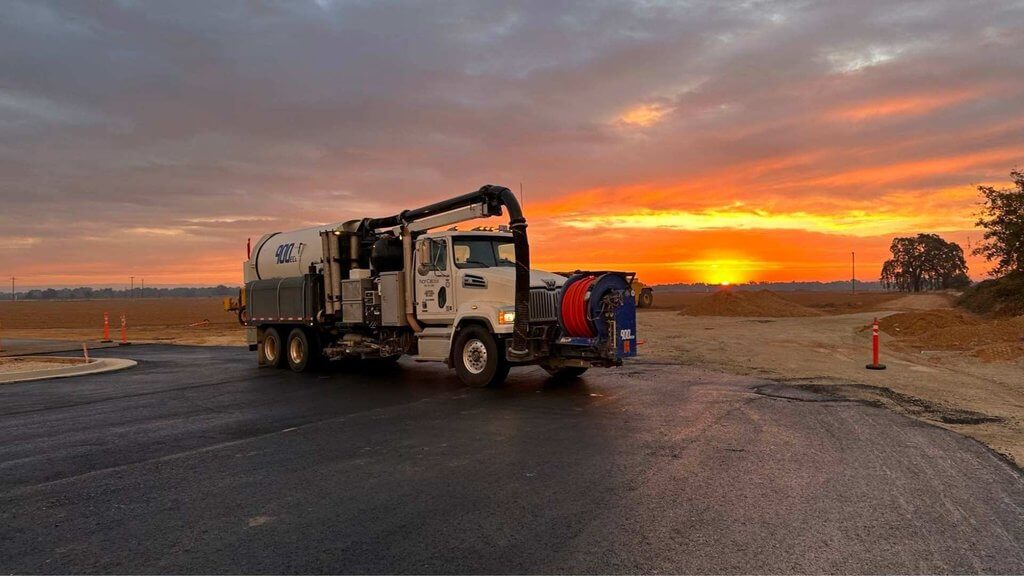
A combination sewer cleaner earns its place in a fleet by handling more than one type of job. A municipal crew may start the day with scheduled sanitary sewer cleaning, recover debris from a manhole later in the morning, and be redirected to a catch basin or blocked storm line before the shift is over.
Contractors deal with similar changes as they move between customers and jobsites. Having high-pressure water jetting and vacuum capability on the same truck gives crews a way to handle different cleaning and debris removal tasks without returning for another piece of equipment.
For municipalities and contractors evaluating a combination sewer cleaner, the equipment needs to do more than produce enough water pressure or vacuum. Water and debris capacity, truck size, controls, serviceability, and the types of infrastructure crews maintain all affect how useful that truck will be throughout the workday.
Sewer cleaning rarely ends when material is loosened inside the pipe. Crews still need to manage the sediment, sludge, roots, gravel, and other debris moved during cleaning.
A combination sewer cleaner gives the crew both sides of that process. High-pressure water travels through the sewer hose and nozzle to loosen deposits and move material through the line. The vacuum system can then recover that material at an accessible manhole or structure and transfer it into the truck’s debris tank.
The same combination of functions applies to other maintenance work. A catch basin may primarily require vacuuming to remove accumulated sediment and standing water, while a storm sewer may need jetting followed by vacuum recovery. Crews can use whichever system the job requires without changing trucks.
For fleets responsible for several types of sewer and drainage infrastructure, that flexibility gives the truck more opportunities to stay productive throughout the day.
Regular sewer cleaning and maintenance may make up a large portion of a municipal maintenance route. If crews encounter heavy material at a manhole, the vacuum system is already available to recover it. A nearby catch basin can be cleaned with the same machine, and a storm sewer problem later in the day can be addressed with the truck’s jetting and vacuum systems.
Contractors can use that versatility across an even wider mix of sites. One customer may need routine sewer cleaning while the next job requires material to be vacuumed from a drainage structure. Having both capabilities available can reduce the need to schedule separate jetting and vacuum equipment for related work.
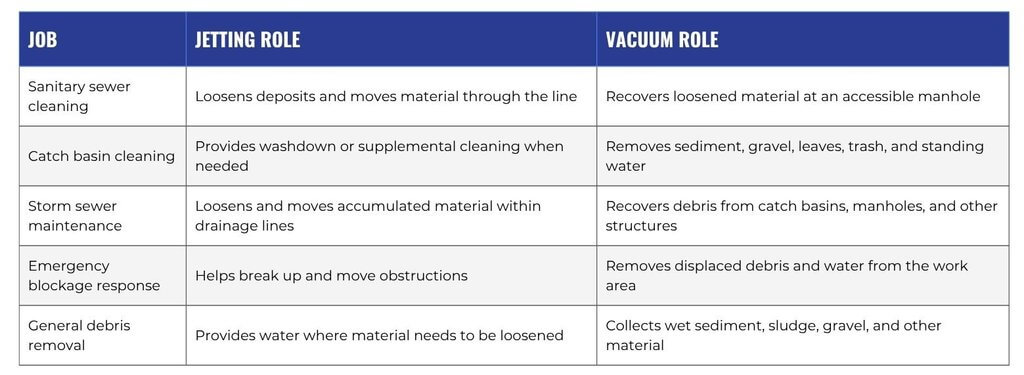
A combination truck can therefore fill more than one role in a maintenance program. How valuable that versatility is depends on whether the truck is sized and configured around the work crews actually perform.
Water pressure, flow, and vacuum performance are important, but those specifications only describe part of a combination sewer cleaner’s working day.
Crews also spend time filling water tanks, unloading debris, positioning the truck, setting up at access points, and moving between jobs. Operators need to understand the controls, and mechanics eventually need to inspect, diagnose, and repair the equipment.
A truck with enough water for the cleaning route but insufficient debris capacity may require additional unloading stops during vacuum-heavy work. A large-capacity truck can create a different limitation if crews regularly need to reach structures in congested streets or confined commercial areas.
Looking at the workday rather than one individual specification can help fleets identify the combination cleaner that fits their operation.
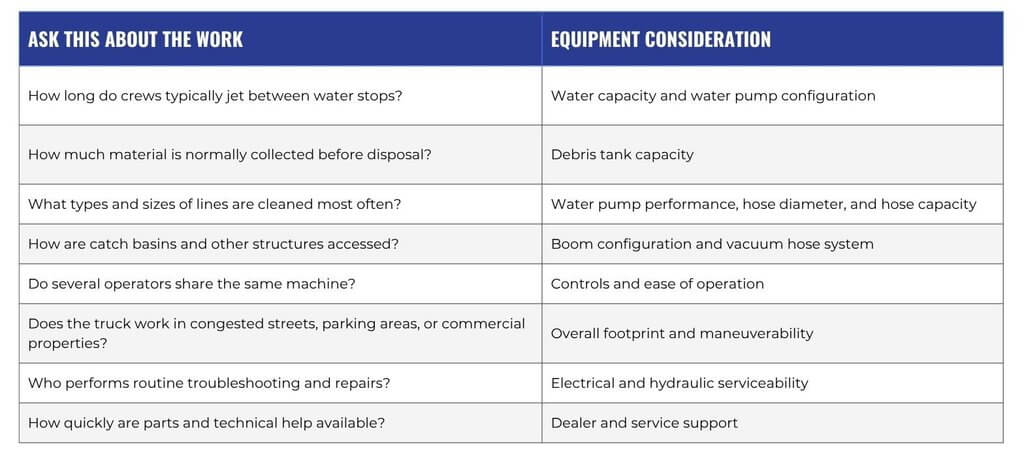
These questions also help prevent a fleet from buying around the largest available number in one category. Capacity, performance, maneuverability, and serviceability all have to work together once the truck is on the route.
Versatility can make a combination sewer cleaner one of the more heavily scheduled pieces of equipment in a fleet. If the same truck is used for sanitary sewer routes, vacuum work, catch basin cleaning, and response calls, downtime can affect several parts of the maintenance schedule.
That makes ease of diagnosis and repair an important part of equipment selection.
The Model 900 ECO Combination Sewer Cleaner uses Sewer Equipment’s patented Hydro Drive powertrain to power the water pump, blower, and auxiliary hydraulic systems directly from the chassis engine. The truck remains in neutral while in work mode, without a transfer case.
The operating interface uses controls for Work Mode, the water pump, blower, and throttle. The module is controlled with 12-volt switches, relays, and solenoids along with manual hydraulic controls. According to the Model 900 ECO brochure, mechanics can perform diagnostic analysis with a test light and hydraulic pressure gauge without requiring a laptop with specialized diagnostic programs.
Sewer Equipment also limits integration between the combination cleaner module and the chassis to the OEM throttle control port. This design avoids the additional CAN Bus communication between the module and chassis used in more integrated systems.
For fleet managers, these design choices are relevant beyond convenience. A machine that is easier for operators to understand and mechanics to troubleshoot can be easier to keep in regular service.
A combination sewer cleaner may vacuum everything from wet sediment and sludge to gravel and other material collected from sewer and drainage structures. Separating that material before the air reaches the blower is an important part of the vacuum system.
The Model 900 ECO uses a three-stage air system. Material entering through the boom first reaches the debris tank, where airflow slows and material begins to separate. Air then moves through dual cyclone separators before passing through dual 10-micron final filters. The washable final filters capture remaining fine particles before air reaches the positive displacement blower.
That system is relevant for crews using the truck across a mix of applications because the type and amount of material entering the vacuum system can change considerably from one job to the next.
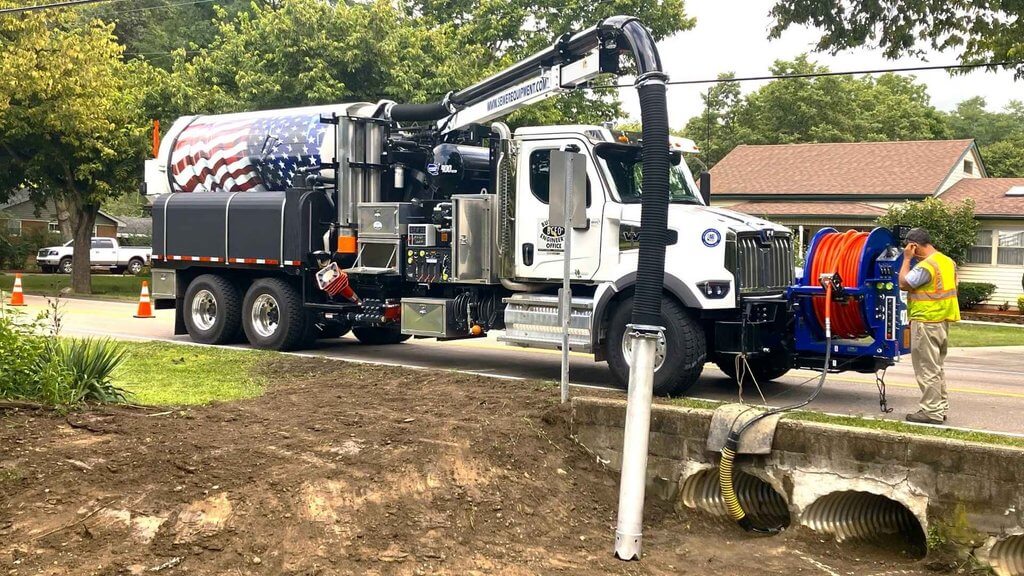
The amount of water and debris capacity a crew needs has to be balanced against where the truck will work.
Sewer Equipment addresses those needs with two different combination sewer cleaner platforms.
The Model 900 ECO Combination Sewer Cleaner is the full-size option for municipal and contractor fleets that need greater capacity for regular jetting and vacuum work. It is available with 6-, 9-, 12-, or 15-yard debris capacity. Maximum water capacity ranges from 800 gallons with the 6-yard configuration to 2,100 gallons with the 15-yard configuration, and the listed configurations accommodate up to 800 feet of 3/4- to 1-inch hose.
The standard Model 900 ECO vacuum system includes a 4,400 CFM blower, 8-inch vacuum hose system, and 18-inch Hg vacuum rating. Its hydraulic-powered boom has a 180-degree working radius and 10 feet of extension. Multiple water pump configurations are available for different jetting requirements.
For fleets handling larger sanitary and storm systems, longer cleaning routes, or higher volumes of recovered material, those configuration choices allow the truck to be matched more closely to the workload.
The Model 400 ECO Mini Combination Sewer Cleaner addresses a different operating need. Its 19,500 GVWR chassis does not require a CDL to drive or operate, and its compact footprint allows the truck to enter a standard 10-foot parking structure. Sewer Equipment identifies it as an option for densely populated urban environments and for small to mid-size municipalities and contractors adding vacuum capability to their jetting operations.
The Model 400 ECO has a 4-yard stainless-steel debris tank, up to 600 gallons of water capacity, and a UDOR water pump rated at 18 GPM at 4,000 PSI. Its Hibon positive displacement blower is rated at 28 inches Hg with a 4-inch system, while the stainless-steel hose reel carries 400 feet of 1/2-inch hose. Sewer Equipment identifies the truck as ideal for 4- to 12-inch lines.
For larger fleets, a compact combination cleaner can also supplement a full-size unit by handling smaller lines, confined locations, or response work where sending the larger truck may not be necessary.
The choice between full-size capacity and a compact footprint depends on more than the size of the municipality or contractor.
A smaller operation may still need a full-size truck if its routes involve larger infrastructure, long periods of jetting, or substantial debris removal. A larger fleet may have plenty of work for a compact combination cleaner if crews regularly maintain smaller lines or locations with difficult access.
Operator requirements matter too. The Model 400 ECO’s 19,500 GVWR chassis can expand the number of employees who are able to drive the truck because a CDL is not required. A fleet relying on the Model 900 ECO may place greater priority on the additional water and debris capacity available from its different configurations.
The goal is to match the machine to the work it will perform most often rather than selecting capacity or size in isolation.
For municipalities and contractors, the value of a combination sewer cleaner is closely tied to how often crews can put it to work. Sanitary sewer cleaning may be its primary assignment, but the same jetting and vacuum capabilities can support catch basin cleaning, storm system maintenance, debris recovery, and response work.
That versatility makes the way the truck operates and is maintained just as relevant as its cleaning specifications. Pipe sizes, route length, typical debris volume, access conditions, operator requirements, and service support all affect how well a machine fits into daily operations.
Sewer Equipment offers the Model 900 ECO for fleets that need a full-size combination cleaner with multiple capacity and water pump configurations, while the Model 400 ECO provides a compact option for smaller lines and locations where maneuverability is a priority. A local Sewer Equipment representative can help evaluate those options against the work your crews handle throughout the year.